

Types of Bariatric Aids
Obesity is connected to a variety of health conditions consisting of type 2 diabetes, heart disease and hypertension. It can also result in increased wear and tear on joints and bones.
Larger patients require specialised aids to guarantee their safety and comfort. Bariatric equipment is designed with stronger and bigger frames to support heavier users.
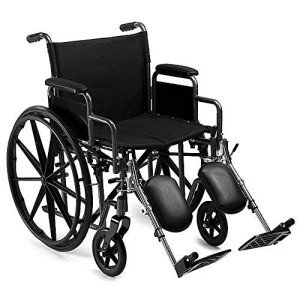
Wheelchairs
Various type of specials needs can lead people to need wheelchairs. They consist of orthopedic injuries (such as breaks or fractures) and neuromuscular conditions like multiple sclerosis, spastic paralysis, and muscular dystrophy. A wheelchair is a vital tool for those with mobility impairments to experience freedom, postural support, and self-reliance. There are different kinds of wheelchairs depending on the user's requirements, and some can even help them stand.
Wheelchairs can be manually-propelled or powered. Manually-propelled wheelchairs have big rear wheels and smaller front wheels that allow the user to push themselves from their seated position. They can also be pressed by others and steered utilizing manages that are developed into the frame of the chair. Some of these wheelchairs can likewise be geared up with reclining and tilt functions.
Powered wheelchairs, on the other hand, are managed by an attendant and have controls that are included into the body of the chair. They can also be upgraded with a variety of accessories including trays, cushions, armrests, and footplates. Some of these chairs can also be fitted with a wide variety of front and rear caster outriggers, adjustable backrests, seat heights, and controls.
Another type of powered wheelchair is the specialized bariatric chair. These wheelchairs are created for those with a higher weight capacity than basic chairs, which typically have an optimum weight limit of 250 to 300 pounds. These types of wheelchairs are frequently used for people who have a weight limit higher than this and have actually been detected with conditions like muscular dystrophy, spine injury, or hemiplegia.
Depending upon the person's needs, some wheelchairs might be covered by Medicaid. In Virginia, for example, the Department of Medical Assistance Services (DMAS) needs that doctors get a seating and sizing assessment from a licensed occupational or physical therapist before buying a power wheelchair for their clients. Nevertheless, new regulatory assistance enables doctors to purchase a wheelchair straight from a registered provider without very first getting this assessment. This enables the enrolled provider to make sure that the prescription meets DMAS criteria for repayment. This assists decrease wait times and hold-ups for patients.
Walking Aids
Strolling aids such as walking canes, crutches and walkers are used to assist keep and improve mobility and balance when a person is not able to bear, or only partly bear, weight on their hurt or weak leg. They are frequently recommended following surgery, injury or as a short-term solution during a healing period from health problem. They can likewise be a long-term option for individuals who are suffering from weakness or poor balance due to persistent health conditions such as diabetes, cardiovascular disease, obesity or arthritis.
Making use of a walking aid is best prescribed by an experienced physiotherapist who will examine the individual's abilities and risk elements, along with guaranteeing the right option of gadget to meet their specific requirements. Getting this right is necessary as it will help in maximising safety and performance of use. It is likewise important that the Therapist describes, shows and instructs the person in the safe usage of their strolling help and that they follow up on regular basis to ensure ongoing safety and optimum performance.
Physio therapists can also help in optimising making use of walking aids through a thorough rehab program which will enhance strength and balance, to reduce the probability of falls. They can provide advice about the home environment to reduce fall threat, consisting of eliminating toss carpets, electrical cords, food spillages and making sure stairs are clear and sufficiently wide. They can also advise on specific workouts to be carried out in combination with the strolling aids to aid with stability, posture and gait to reduce the threat of falling.
Bathing Aids
Bathing is a basic daily task that's important for keeping individual health. But for senior people or those with mobility problems, taking a bath can be a challenging endeavour. The fear of slipping on a damp flooring or having trouble standing unaided can make individuals unwilling to shower, and even prevent it altogether.
Luckily, there are bathing aids that can aid with these difficulties. These can be solitary tools, or a whole set that includes whatever you need to bathe safely and comfortably. Whether you're suffering from ageing problems, recovering from surgical treatment or have a disability, these restroom aids can dramatically reduce the risk of injury to yourself or a carer whilst you perform this important activity.
In one epidemiologic study, the presence of bathing aids was found to be related to a lowered probability of developing bathing disability, operationalized as needing help, in matched pairs of individuals. However, the bath seat was the only aid to show such an association, and its result was attenuated after change for confounders.
One of the most common causes of falls for the senior and handicapped is within their own homes, and much of these take place throughout bathing and bathing. These injuries can cause hospital stays and even result in a decrease in total mobility. To avoid this from taking place, there are a couple of basic modifications that can be made to a person's home to increase safety and lower the opportunities of falling.
Adding bathing aids to your bathroom can be a fantastic method to increase comfort and security, so you can continue to live separately in your own home. If you're stressed over the cost of these aids, then you might be able to gain from VAT relief on certain products if you have a medical condition which impacts your mobility.
It's crucial to seek advice from with a healthcare expert or Occupational Therapist (OT) to understand which kind of restroom help is best for you. They'll be able to recommend you on how to use each product and give you any additional info you require. They can likewise refer you to a professional company who can help you with sourcing and acquiring your bathing aids.
Transfer Aids
Clients whose bodies are too large for basic equipment/furniture frequently need specialised transfer aids. These gadgets get rid of the requirement for multiple caregivers to move patients and reduce manual handling risks. Nevertheless, they need to be utilized thoroughly to prevent injuries. bariatric high back wheelchair www.mymobilityscooters.uk to follow weight limitations and size standards to avoid equipment failures and tipping mishaps. Also, staff needs to examine slings and equipment for damage in between transfers to ensure that they are tidy and appropriately sanitised before reusing them.
Sit-to-stand aids are a popular choice for bariatric clients as they enable the individual to actively take part in their transfer, and assist to decrease the quantity of assistance needed from carers. Nevertheless, a medical assessment must be carried out to confirm that the individual has the ability to move themselves securely.
Preferably, the health center should form a bariatric handling committee to make sure that all staff comprehend their role and obligations in carrying out safe patient dealing with standards. This helps to ensure that slings and equipment are properly fitted and used, and that a patient's requirements are assessed early in their admission and regularly reviewed.